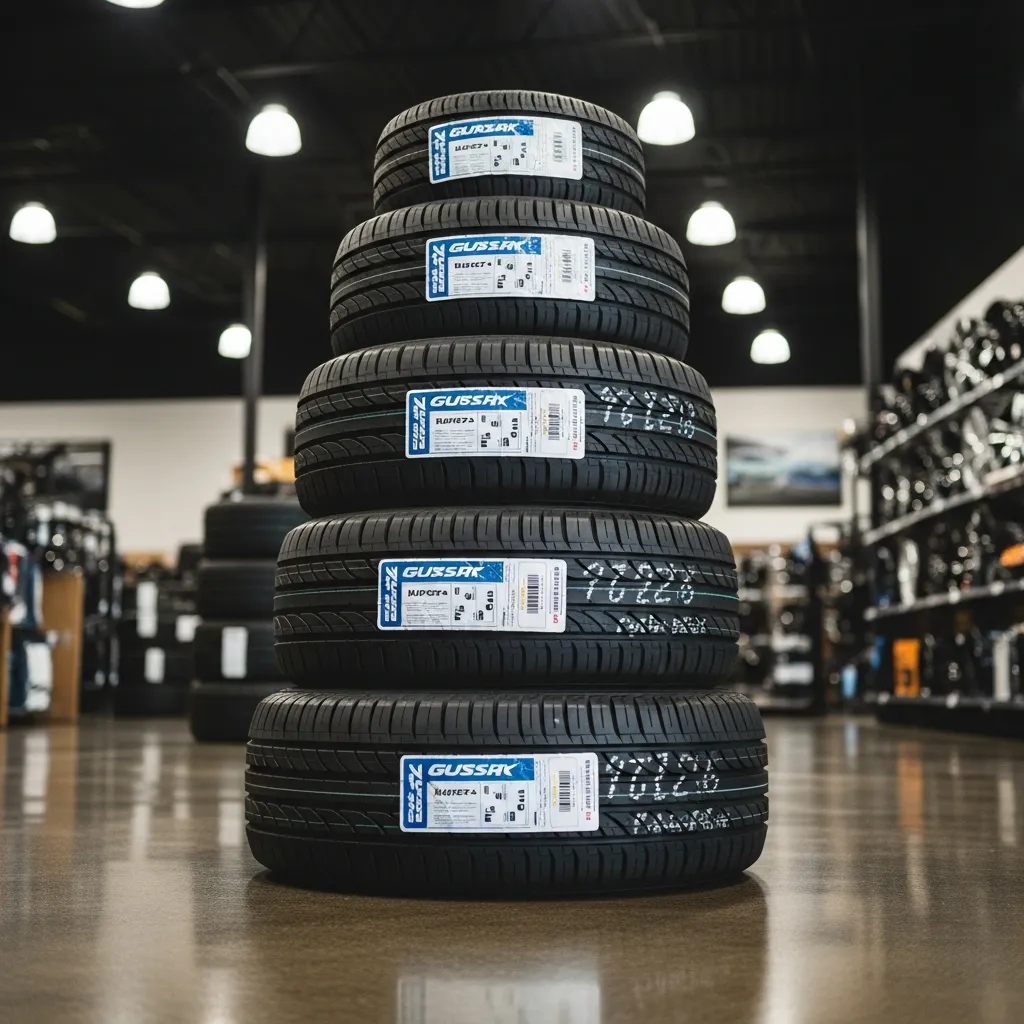


As the seasons change, many drivers wonder if their current setup is safe for the shifting weather. While Cullman may not see arctic conditions constantly, cold temperatures and rain can significantly affect traction. Understanding the difference between tire types is essential for year-round safety.
The Case for All-Season Tires
For many drivers, all-season tires are the convenient, go-to choice. They are designed to handle a variety of road conditions, including dry pavement and wet roads. The rubber compound is built to provide a long tread life, making them a cost-effective option for moderate climates. They are a jack-of-all-trades solution that works well for most daily commutes.
When to Consider Winter Options
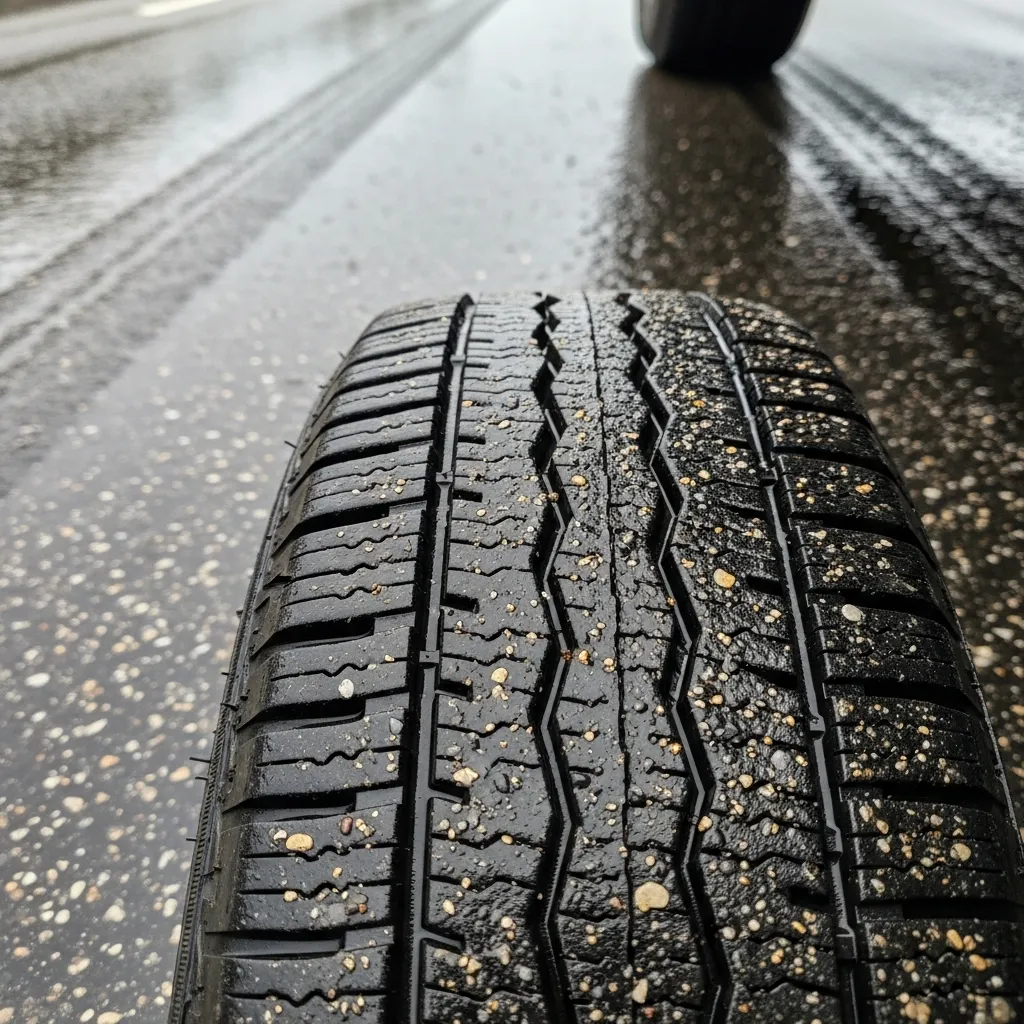
However, when temperatures drop significantly, standard rubber hardens and loses grip. This is where the best winter tires shine. They feature specialized compounds that stay flexible in the cold and deep tread patterns designed to channel away slush and water. If you plan on traveling north or want maximum security during colder months, swapping your set is a smart move.
Making the Switch
If you are unsure which route to take, McGriff Bestone Tire & Service can assess your driving habits. whether you stick with all-seasons or opt for a dedicated winter set, ensuring you have sufficient tread depth is the most important factor for safety.